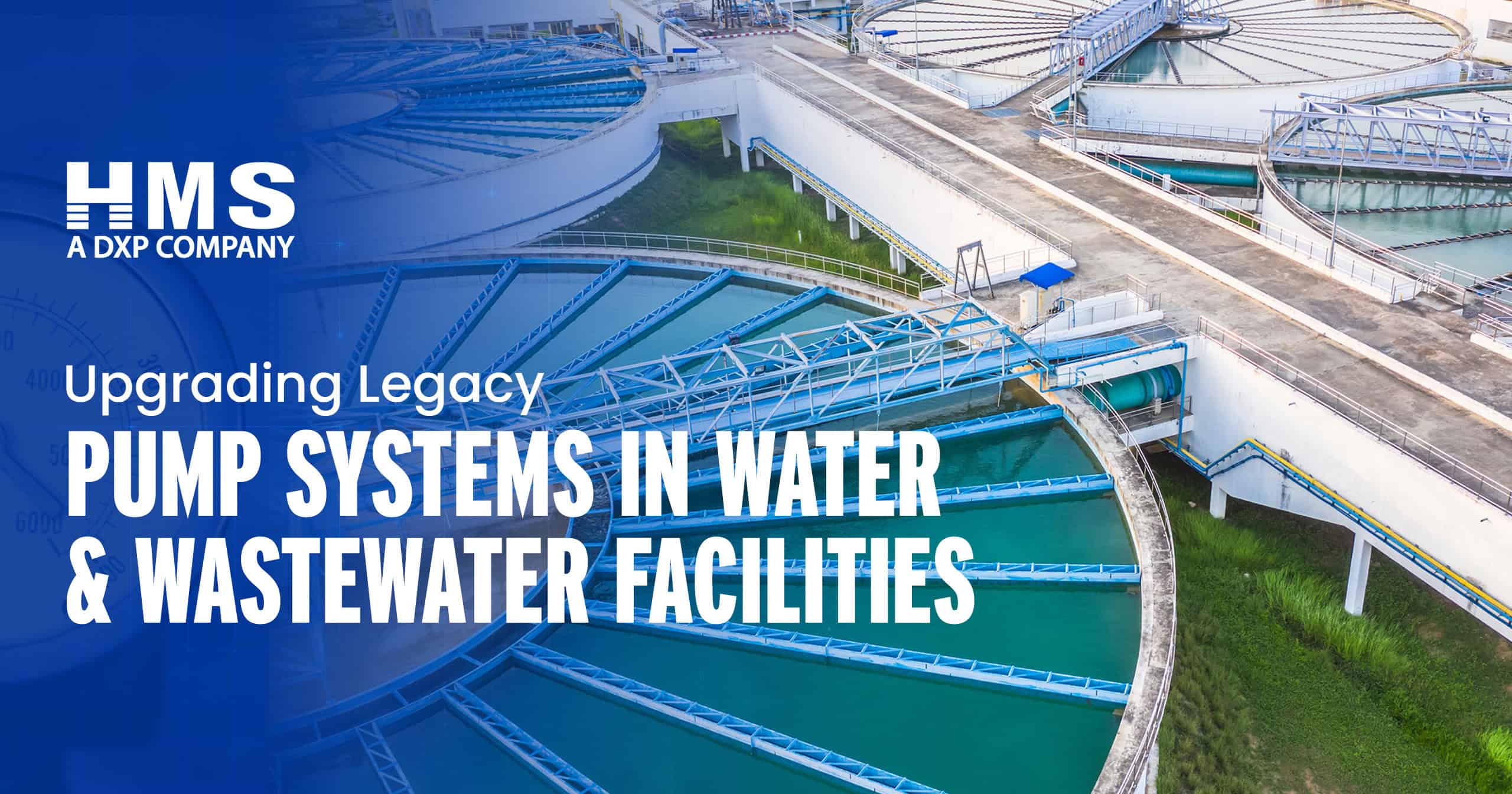
Many water and wastewater facilities continue operating with pump systems that were installed decades ago. While these systems were often built for durability, aging infrastructure and changing conditions create growing challenges related to efficiency, maintenance and regulatory compliance. Components wear over time, operating demands change and older control systems struggle to support modern process expectations.
Full replacement is not always practical due to budget limitations, operational disruption or infrastructure constraints. In many cases, targeted retrofits and modernization strategies provide a more effective path forward. At DXP Hennesy, we help facilities upgrade legacy pump systems in ways that improve performance while extending the life of existing infrastructure.
Why Legacy Systems Struggle Over Time
Pump systems that once operated efficiently may gradually lose performance as wear accumulates and operating conditions evolve. Impellers erode, internal clearances increase and vibration becomes more common. In wastewater applications, corrosive environments and solids handling place additional stress on pumps and supporting equipment.
Control systems also become outdated. Older fixed-speed operation may no longer align with variable flow demand, leading to wasted energy and unstable system performance. Limited monitoring capabilities make it harder for operators to detect problems early or optimize operation.
As regulatory expectations evolve, aging systems may also struggle to meet current standards related to efficiency, emissions, overflow prevention and worker safety. These pressures create the need for modernization strategies that improve both reliability and compliance.
Retrofit Strategies That Improve Performance
Modernizing a legacy pump system does not always require complete replacement. In many facilities, the existing pump casing and infrastructure remain structurally sound, making retrofit upgrades a cost-effective alternative.
Common retrofit approaches include replacing worn hydraulic components, upgrading mechanical seals and installing improved bearings or shaft sleeves. Restoring internal clearances and hydraulic performance helps recover lost efficiency while reducing stress on the system.
Variable frequency drives are another important modernization tool. By adjusting pump speed based on actual demand, VFDs improve energy efficiency and reduce mechanical wear caused by constant full-speed operation. This flexibility is especially valuable in water and wastewater systems where flow conditions fluctuate throughout the day.
Upgraded controls and monitoring systems also improve visibility into pump performance. Operators gain access to real-time data related to vibration, temperature, flow and pressure, allowing issues to be identified before failures occur.
Supporting Compliance and Safety
Modernization efforts often support regulatory compliance as much as performance improvement. Reliable pump operation is critical for maintaining flow control, preventing overflows and meeting treatment process requirements.
Improved sealing systems and containment strategies help reduce leakage risks in wastewater applications. Updated controls and alarms support safer operation by identifying abnormal conditions earlier and enabling faster response.
Energy efficiency improvements also contribute to broader sustainability goals while helping facilities reduce operating costs.
Extending the Value of Existing Infrastructure
One of the greatest advantages of retrofitting legacy systems is the ability to improve performance without the disruption of full replacement. Facilities can modernize key components while preserving existing piping layouts, structural supports and portions of the original equipment.
This phased approach allows upgrades to occur strategically, reducing downtime and spreading capital investment over time. When properly planned, retrofits can provide many of the benefits of new systems while minimizing operational disruption.
A Smarter Approach to Water & Wastewater Modernization
Aging pump infrastructure does not have to mean declining reliability. With the right modernization strategy, water and wastewater facilities can improve efficiency, reduce maintenance demands and better align with current compliance expectations.
DXP Hennesy works with facilities to evaluate existing systems, identify performance limitations and implement retrofit solutions tailored to operational needs. From hydraulic upgrades to controls modernization and reliability assessments, our team helps facilities extend equipment life while improving overall system performance.
If your facility is dealing with aging pump infrastructure or recurring reliability issues, contact DXP Hennesy to discuss modernization strategies that improve efficiency, compliance and long-term reliability.