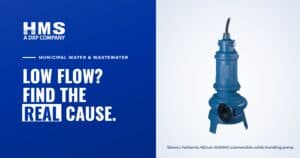

Water may appear relatively easy to pump, but its composition can vary significantly between applications. For municipal water and wastewater operators, those differences can be significant. Groundwater, source water, treated drinking water and wastewater can all contain materials that gradually damage pump components or interfere with hydraulic performance. When water quality is overlooked during pump selection and maintenance planning, municipal systems may experience premature wear, declining efficiency and recurring failures.
At DXP Hennesy, understanding the characteristics of the pumped fluid is an important part of evaluating system reliability. Identifying potential water quality challenges allows operators to select appropriate equipment and address conditions before they shorten pump life or threaten the reliability of critical water and wastewater infrastructure.
Suspended Solids and Abrasive Wear
Suspended solids are a common concern in municipal wastewater systems and some groundwater applications. Sand, grit and other particles travel through the pump at operating velocity, where they can gradually erode internal surfaces.
Impellers and wear components are particularly vulnerable to abrasion. As material is removed, internal clearances can increase and hydraulic efficiency can decline. The pump may need to work harder to provide the required output, increasing both energy consumption and mechanical stress.
Larger solids can create additional challenges if the pump’s hydraulic passages are not designed to accommodate them. Clogging may restrict flow or cause the pump to operate under unstable conditions. At a lift station or wastewater treatment facility, recurring clogging can create an ongoing maintenance burden and increase the risk of an unplanned outage.
When solids are expected, selecting a pump designed for the application is essential. Hydraulic design and abrasion-resistant materials can help reduce wear and support longer service life.
The Effects of Mineral Content
Dissolved minerals present a different challenge. Hard water containing elevated concentrations of calcium and magnesium can produce scale as operating conditions change. For Arizona municipalities that rely heavily on groundwater, mineral content should be an important consideration when evaluating pump and system performance.
Deposits may gradually accumulate within pump passages or associated piping. As these areas become restricted, the system requires more energy to maintain the desired flow. Scale can also affect heat transfer surfaces and create problems around mechanical seals.
Mineral deposits do not always produce an immediate failure. Instead, efficiency may decline slowly enough that the problem goes unnoticed. For a municipal system operating pumps continuously or for extended periods, even a gradual loss of efficiency can translate into higher energy costs over time. Monitoring flow, pressure and energy consumption can help identify performance changes that warrant further investigation.
Water treatment may be appropriate in applications with significant scaling potential. Routine inspection and cleaning can also prevent deposits from reaching the point where they substantially affect system operation.
Corrosive Contaminants and Material Compatibility
Water can contain chemicals or dissolved gases that attack pump materials. Chlorides, for example, can create corrosion concerns for certain metals, while wastewater environments may expose equipment to hydrogen sulfide and other aggressive compounds. Treatment chemicals and changing source-water conditions can also alter the environment in which municipal pumps operate.
Corrosion gradually removes material from wetted components and can weaken the equipment over time. Localized corrosion can be particularly problematic because significant damage may develop in a small area while the rest of the component appears relatively unaffected.
Material selection should therefore reflect actual water chemistry rather than assuming all water applications have similar requirements. Depending on the environment, stainless steels, specialty alloys or protective coatings may provide greater resistance.
For municipalities planning pump replacements or infrastructure upgrades, understanding these conditions before specifying equipment can help avoid replacing a failed pump with one vulnerable to the same underlying problem.
Monitoring Water Quality and Pump Condition
Water chemistry can change over time. Municipal systems may experience changes related to groundwater sources, seasonal conditions, source blending, treatment adjustments or changing wastewater characteristics. A pump that operated reliably under previous conditions may begin experiencing problems if contaminant levels increase or water chemistry changes.
Periodic water analysis can help municipal operators identify these changes. Pump inspections provide another opportunity to look for patterns of abrasion, scaling or corrosion. Understanding the type of damage helps determine whether maintenance alone is sufficient or whether the application requires different materials or equipment.
That information can also improve capital and maintenance planning. Rather than repeatedly repairing the symptoms of a problem, utilities can identify whether water quality is contributing to shortened equipment life and address it when pumps are rebuilt, replaced or upgraded.
Protecting Long-Term Pump Performance
Reliable pumping begins with understanding what is actually in the water. Suspended solids can accelerate wear, minerals can restrict flow and corrosive contaminants can attack critical components. Recognizing these risks allows municipal water and wastewater teams to make better decisions about equipment selection and maintenance.
For Arizona municipalities, those decisions can have consequences beyond the pump itself. Extending equipment life, maintaining hydraulic efficiency and reducing unplanned failures can help utilities control operating costs while protecting the reliability of the systems their communities depend on.
DXP Hennesy has served Arizona customers since 1986 and works with municipal water and wastewater operators to evaluate fluid conditions and pump system requirements to identify solutions suited to demanding water applications. If water quality is contributing to declining performance or recurring pump problems, contact DXP Hennesy to discuss strategies for improving reliability and extending equipment life.